

Homemade Stock
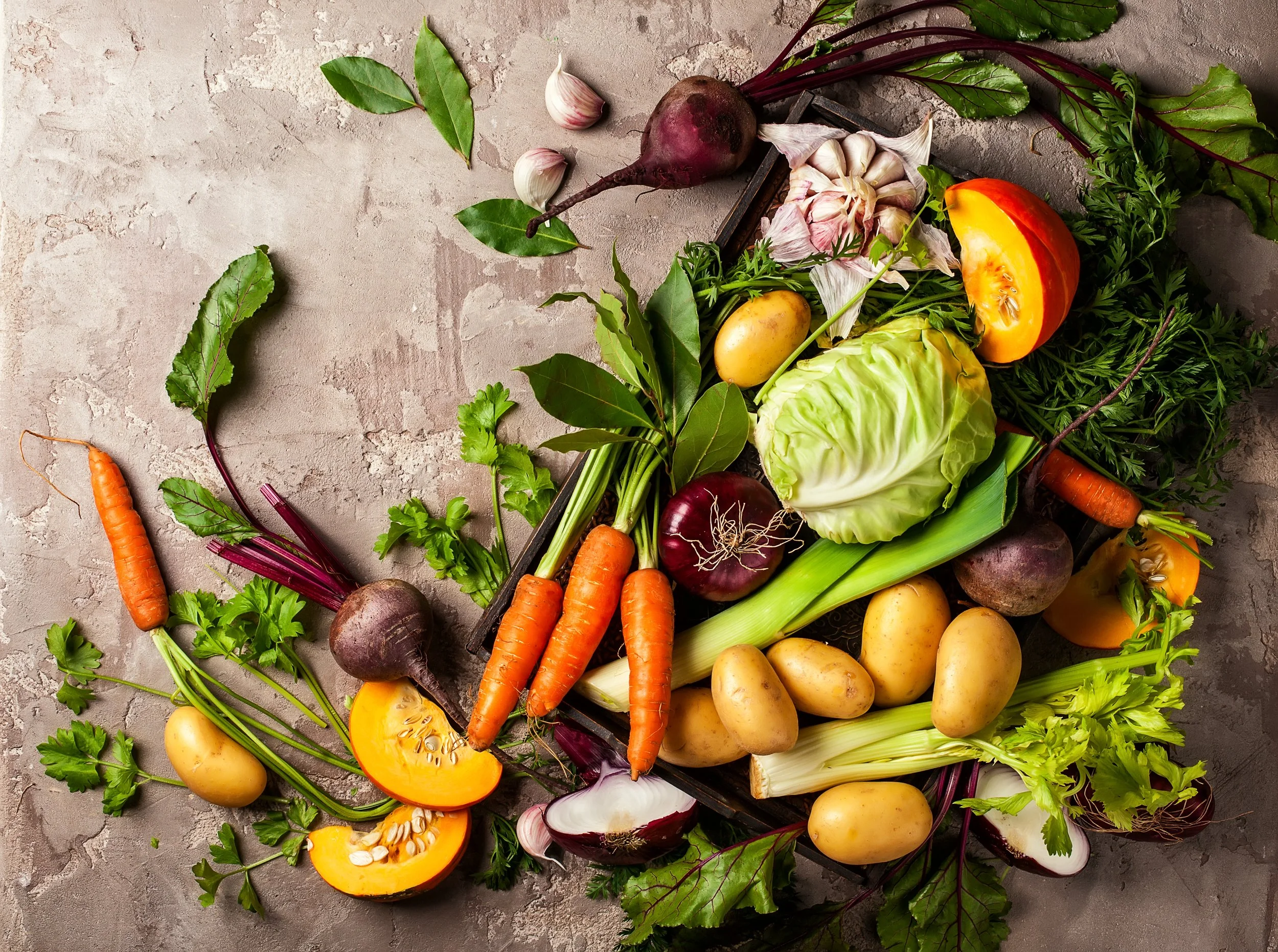
The secret to crafting exceptional & warming winter dishes
As the weather turns colder and holiday meals fill our kitchens with rich aromas, there's no better time to talk about one of the most essential, and underrated, ingredients in any cook's toolkit: stock.
Why Make Stock?
Making stock at home is simple, economically wise, and delicious. It’s a great way to use up vegetable scraps, control the quality of your ingredients, and skip the extra salt found in commercially produced broths. Best of all, homemade stock adds incredible depth and character to soups, stews, sauces, grains, and more.
How to Start
Begin with cold water (or a mix of water and a splash of wine for added flavor). Cover the ingredients and bring to a simmer-not a boil. Boiling can cloud the stock and release bitter flavors.
No Stirring!
Let everything gently simmer, and don’t stir. Skim off any foam or impurities that rise to the top. That’s what helps keep your stock clear and clean-tasting.
Add Spices and Herbs with Care
For spice, consider peppercorns, fennel seed, celery seed, cumin seed, or mustard seed to complement whatever your final dish will be. Toss in herbs (like parsley, thyme, or bay leaf) at the end of cooking - overcooking can dull their flavors.
Vegetable Stocks… Light and Versatile
Vegetable stocks are quick and adaptable. Use basics like onions, garlic, carrots, celery, and sweet peppers. Avoid strong cruciferous veggies (like broccoli or cauliflower) unless you’re making a soup centered on them. They can overpower and create off-putting odors in more delicate dishes. It is fine to use vegetable scraps as long as they are free of dirt and have no signs of spoilage. Pro Tip: Roast your veggies first for a deeper, richer flavor. Cooking Time: About 1–2 hours.
Chicken or Turkey Stock:
Great for soups, stuffing, or risotto. Add the neck and giblets from poultry, plus the vegetables. Leave out the liver though. It will make the stock cloudy. Add apple cores and skins and for a subtle sweetness—perfect in a stock for turkey gravy and stuffing. Cooking time: 2–3 hours.
Beef Stock:
Best when made with roasted bones, meat scraps, and veggies—perfect for stews and gravies. Cooking time: 6 hours, or more if bones are large.
Seafood Stock:
Simmer shrimp shells, fish bones,
lobster/crab shells (or any combination of seafood) with aromatic veggies. This stock is perfect for dishes like bouillabaisse, bisque, or Mexican fish soup. Cooking time: about 1 hour.
After Cooking
Once your stock is done:
Strain it through a fine sieve or cheesecloth for clarity.
Season to taste, or leave it salt-free for flexibility later.
Cool and freeze in containers or ice cube trays for future use.
It’s Not Only for Soup!
Homemade stock makes everything better:
Use instead of plain water to cook rice and other grains.
Boil potatoes in stock for extra flavor.
Add to sauces or stir-fries.
Make a gravy or glaze.
Reduce it for a thick, concentrated glace—perfect for finishing meats or rich sauces. In this case, don’t salt at all. Wait to add salt to the finished sauce.
Homemade stock is the soul of winter cooking. It is nourishing, economical, and deeply flavorful. Whether you are prepping a holiday feast, or freezing batches in advance for busy weeknights, a pot of simmering stock is a gift to yourself and your loved ones, and your house will smell amazing!
Happy cooking from the co-op!