

Growing Gardeners
There are many advantages to having little ones join you in the garden. The whole family can be involved in the entire process, from choosing seeds and starter plants to weeding, watering, harvesting, preserving, and, finally, eating. Anything you can do to add to a child's food list is a benefit. They’ll be more likely to try new foods if they have been involved in the growing process. Giving some control and agency lets them feel like your partner in the garden, and they’ll feel proud of what you've done together, and excited to eat what they've grown.
Gardening builds character! If everything in your garden doesn’t grow prolifically, there is a lot to learn about dealing with obstacles and setbacks. Problem-solving is a great skill to develop, and what garden doesn’t have a few problems to solve?
Plants grow just as well in crooked rows as they do in straight ones, so you don’t need to strive for absolute perfection. Rows aren’t even necessary. You can plant seeds and starts in any little patch of healthy soil (or add some) or in pots or old crates or buckets. Plants want to grow!
It’s okay to get dirty and get closer to nature. Kids love to learn about insects, birds, and the little (or large) pests that might be munching their lettuce. Knowing the difference between an edible plant and an unwanted weed is something even the smallest of the small will understand quickly. Weeding can be fun for them in short doses. Get some garden gloves to protect tender hands from stickers. Try to make it enjoyable, not a chore or punishment, and everyone will be happy.
Play while you work. Take breaks and look at the sky for awhile, munch on some crunchy peas, or sing with the birds. Have fun!
Learning new things, working together to grow good food, and eating together. These bring families and friends together in the most down to earth ways.
Fun gardening projects with kids
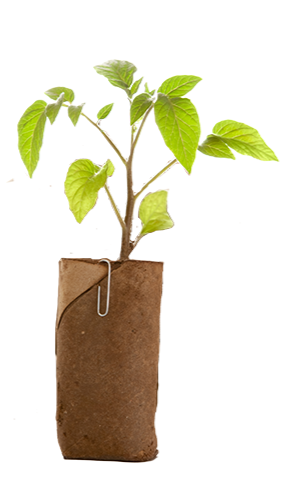
Tube Garden
Start your seeds and recycle at the same time. Toilet paper tubes are easy for small hands to manipulate. Plant tomato, pepper, pea or bean seeds in tubes filled with potting soil, in early spring. Prop them upright in a tray or flower pot. When the seeds sprout, pop the whole tube into the garden after the soil is warm.
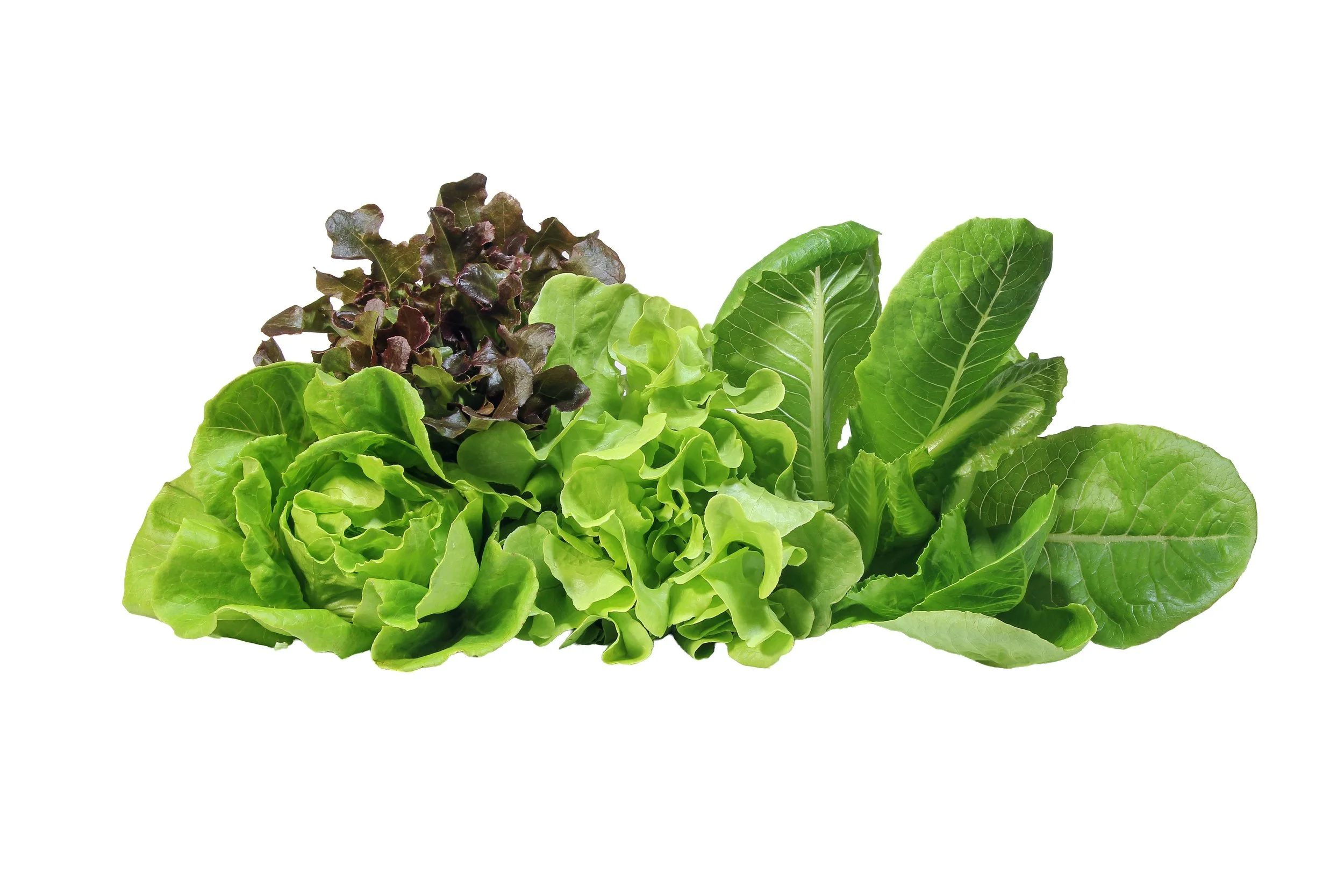
Salad Garden
Any window box, bucket, basket or other container with drainage at the bottom will do. Fill it with potting soil and plant a variety of lettuces and spinach scattered over the top. Press into place and water lightly. Keep the soil moist. When the greens sprout, trim off a few leaves each day to include in a salad. For kids who don’t like bitter tastes, butter lettuces are a good choice.

Herb Circles
A round container or a small circle dug out of your sod can become an herb circle. Plant basil, lavender, tarragon, thyme and edible nasturtium flowers in concentric circles. Your child can sample the different smells and tastes, and help you decide which herbs to add to which foods.
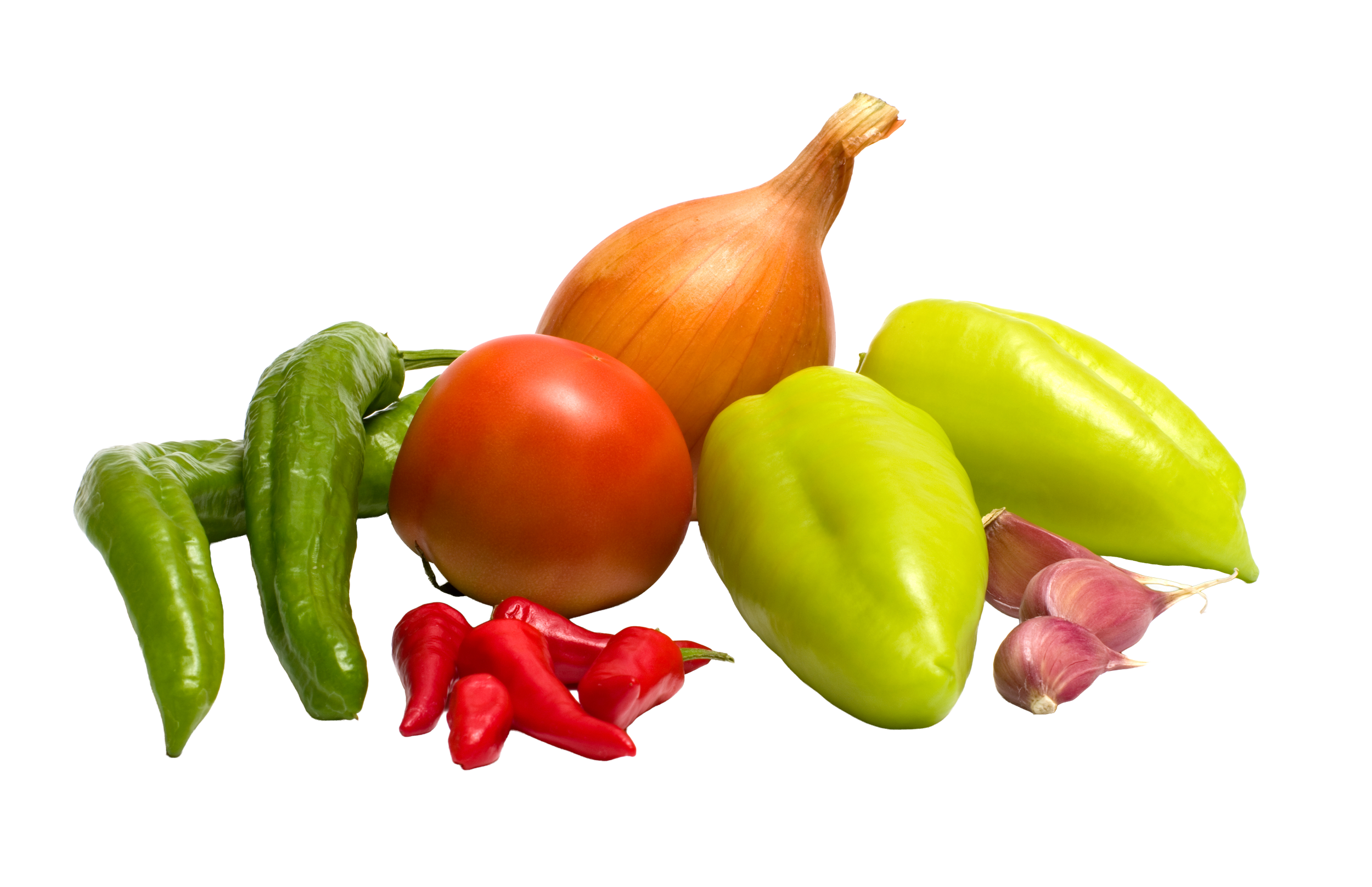
Salsa Garden, Pizza Garden or Spaghetti Garden
Devote your garden plot to a food theme kids can relate to. For a salsa garden, plant tomatoes, tomatillos, bell peppers, jalapeno peppers, onions and cilantro. For a pizza garden, plant Roma tomatoes, onions, garlic, basil, spinach or whatever else you like on your pizza. For a spaghetti garden, try tomatoes, onions, garlic, oregano and thyme.