

Las Mujeres
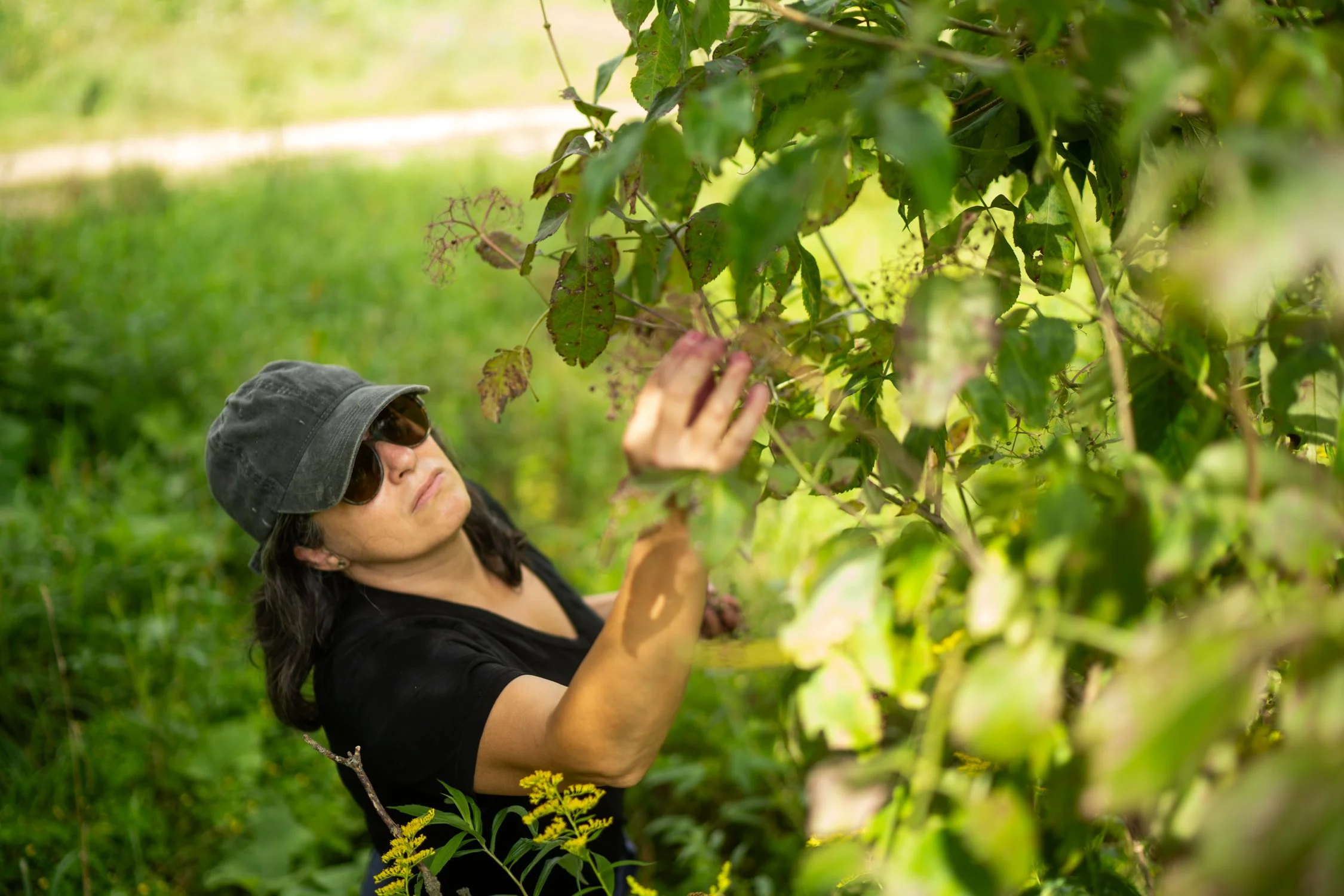
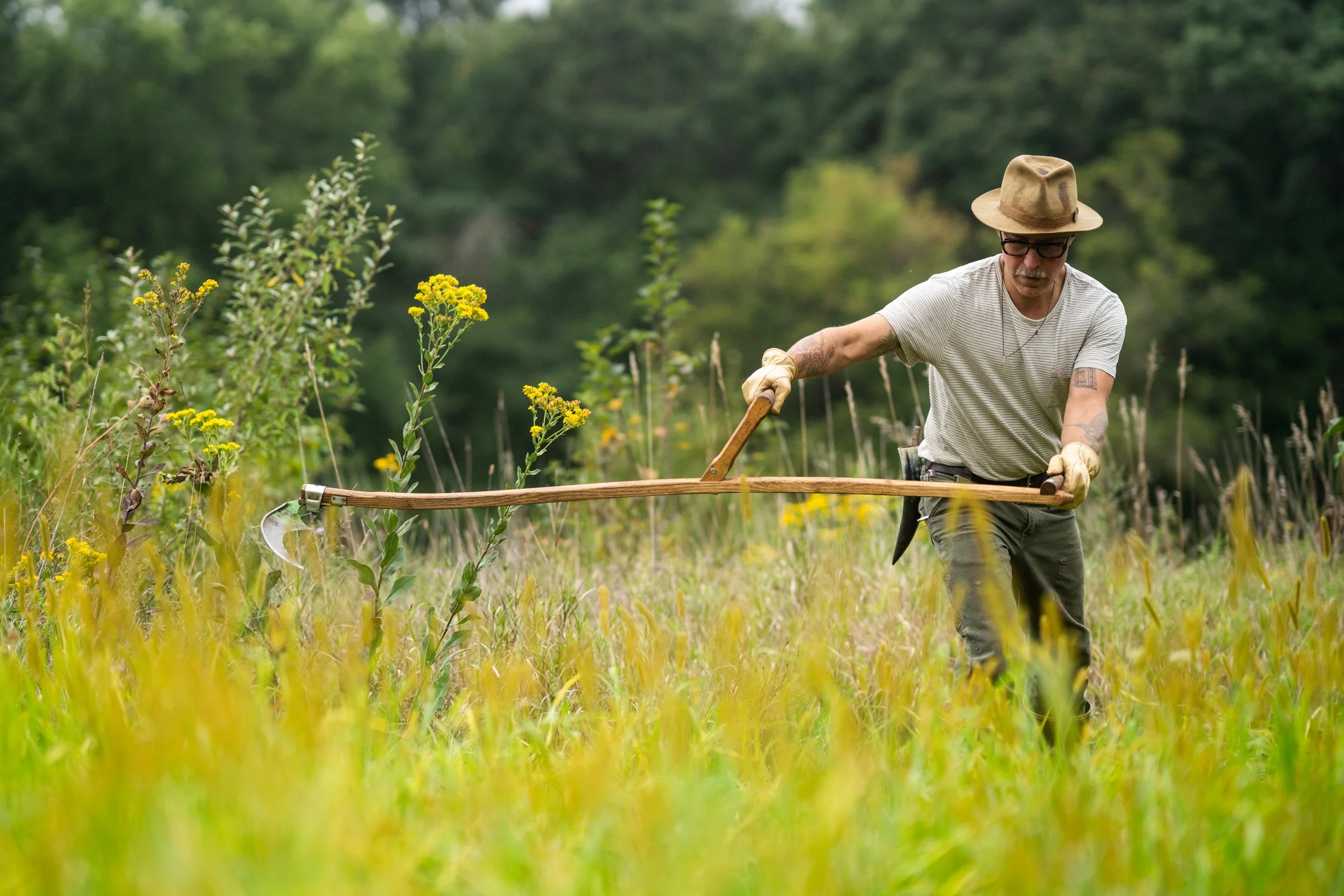
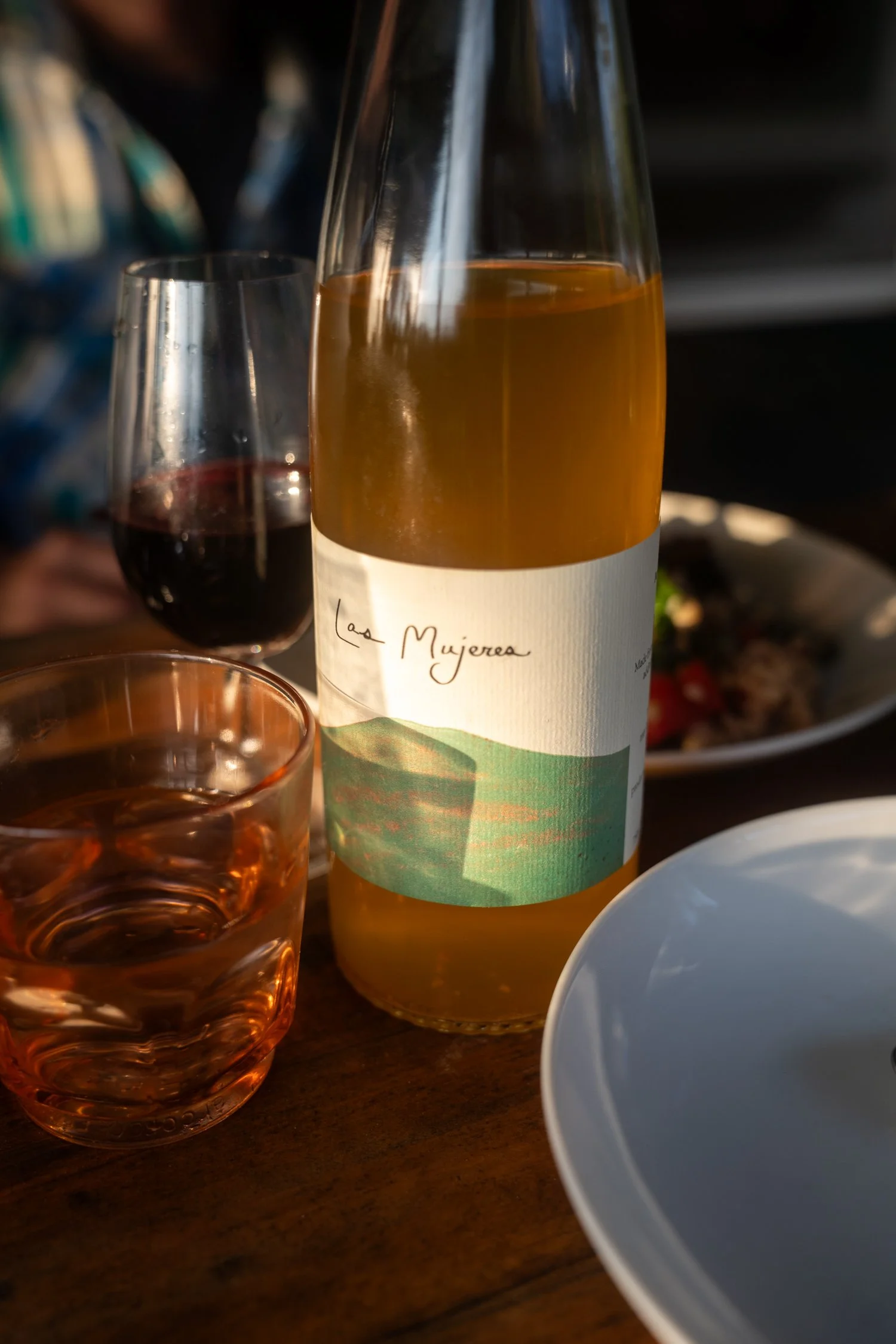
Elise Zelechowski and Tony Bezsylko craft natural wines and ciders at their homestead in the hills of the Driftless region. We stopped by to learn how they are sustainably living, farming, and building community around their shared dream. You can find their products in the beverage cooler at the co-op.

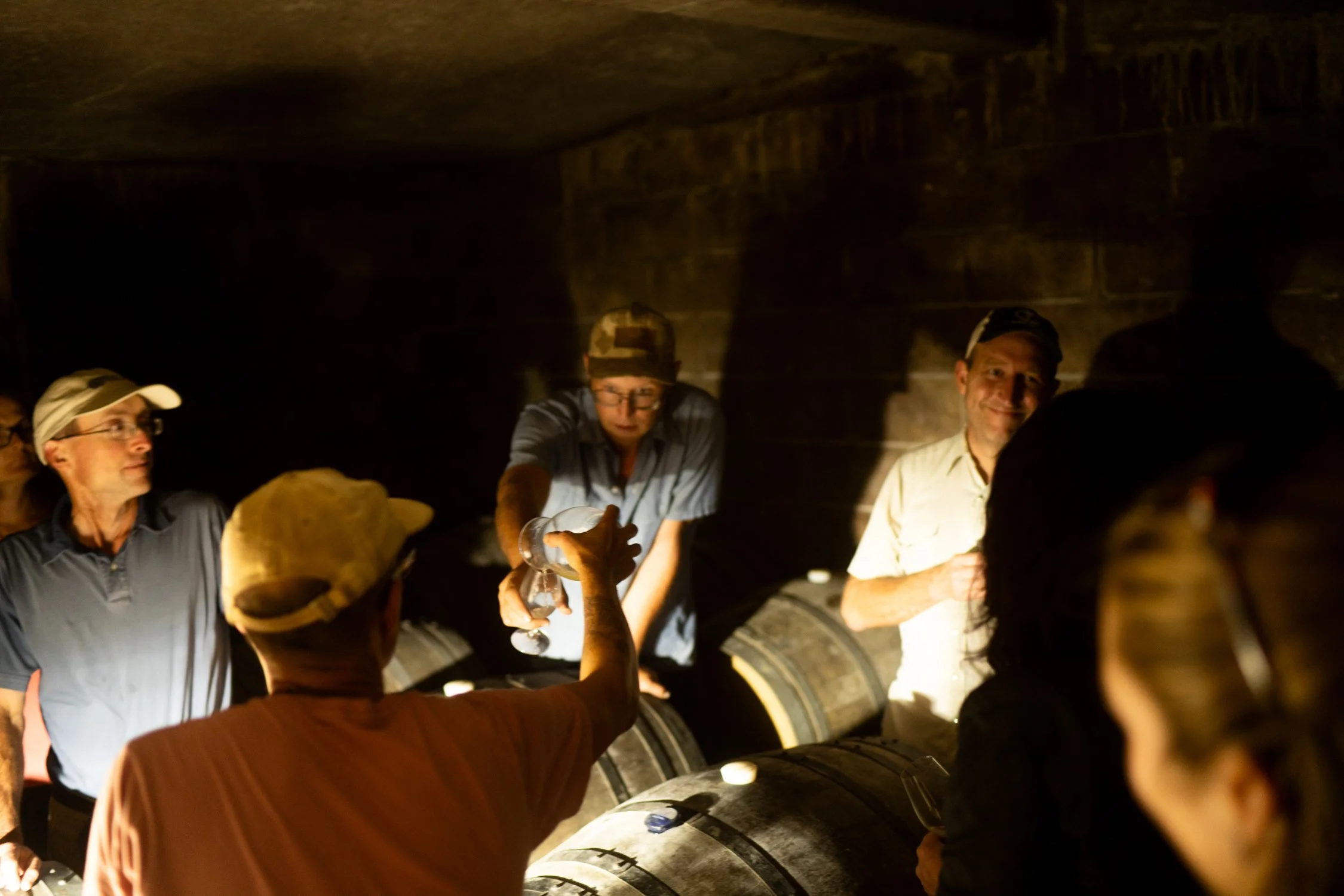
How long have you been making cider? How did you get started?
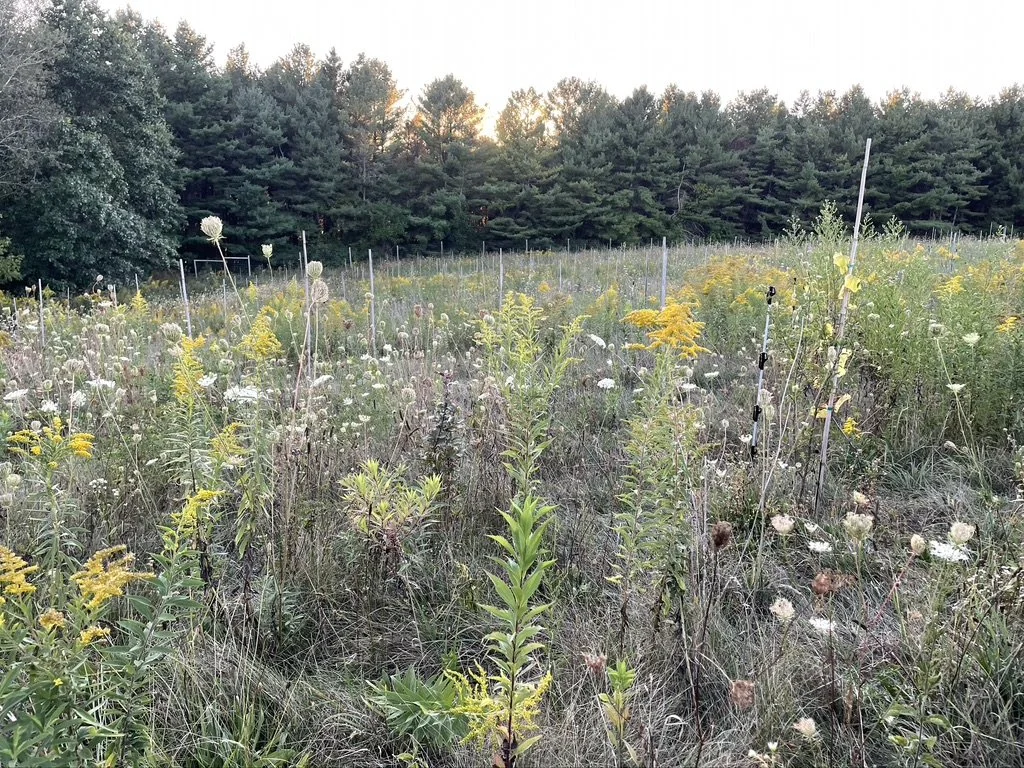
We’ve been making cider and wine since 2020. We had been visiting the Driftless area a few times a year. At some point, we began to consider moving here. We found ourselves dreaming about all these root cellars that we were seeing, and the hillsides that they often sat next to. The human and natural landscapes we were seeing really started calling us to farm and make cider and wine.
Why did you choose the name Las Mujeres?
When we were searching for a name for our farm and winery, we kept coming back to the intertwined forces of capitalism and patriarchy, especially the ways they shape the wine industry. It’s not uncommon to visit a winery named after a man and then learn that his partner has been deeply involved in most aspects of the work. The names of women, and the dynamic, complex work they do, too often go unrecognized. To us, a bottle of wine is never the product of a single individual. It reflects the effort of a whole community working together.
Tony’s mother is Mexican. Spanish has always been a meaningful part of our lives. So we named our farm and winery Las Mujeres—a way of honoring the women whose labor, care, and leadership make this work possible.
Where do you get fruit for your ciders?
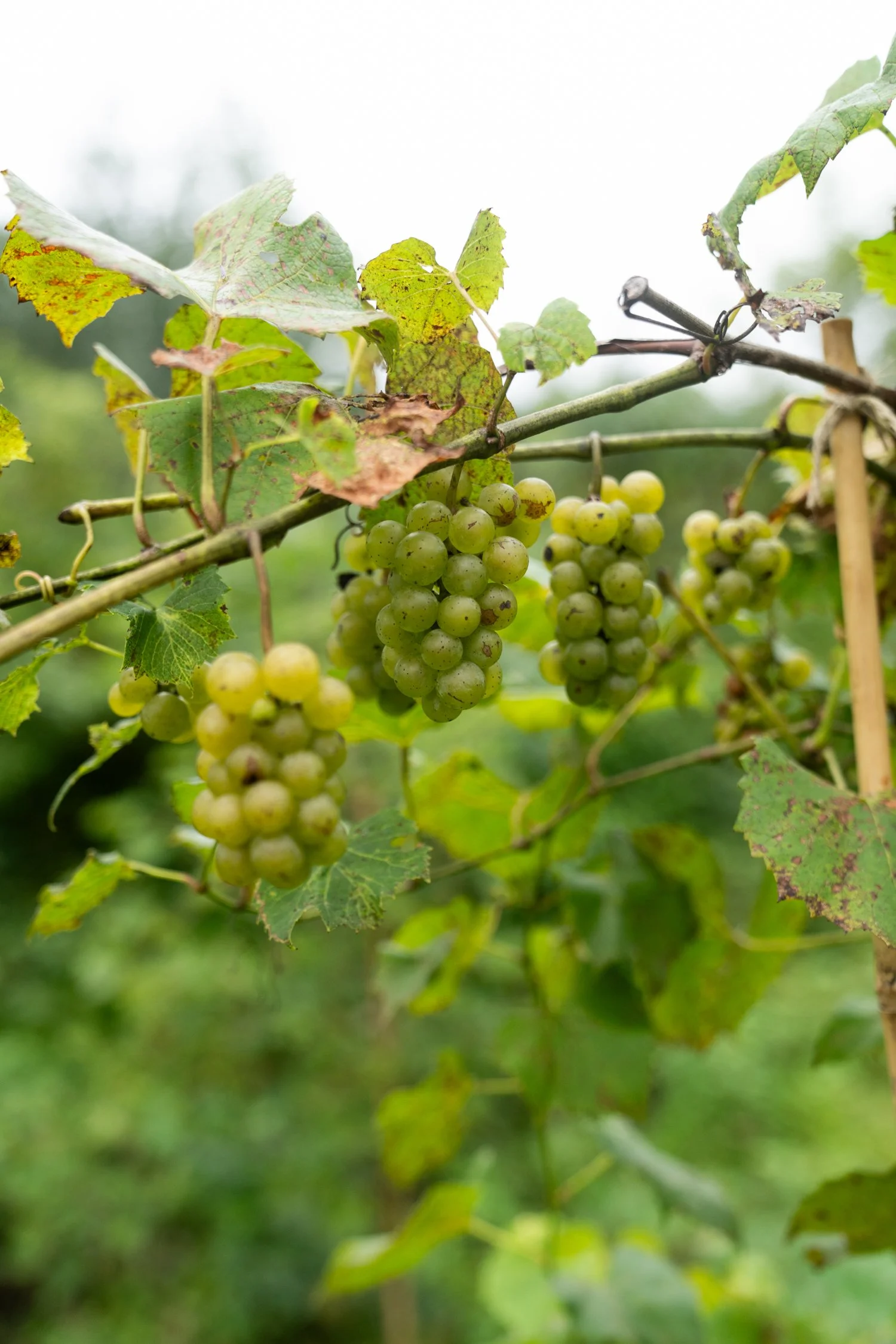
A quarter of the fruit comes from our farm and the rest comes from partner farms growing organically in our region.We also pick wild apples at the farms of friends and neighbors.
What is a piquette and why do you make it?
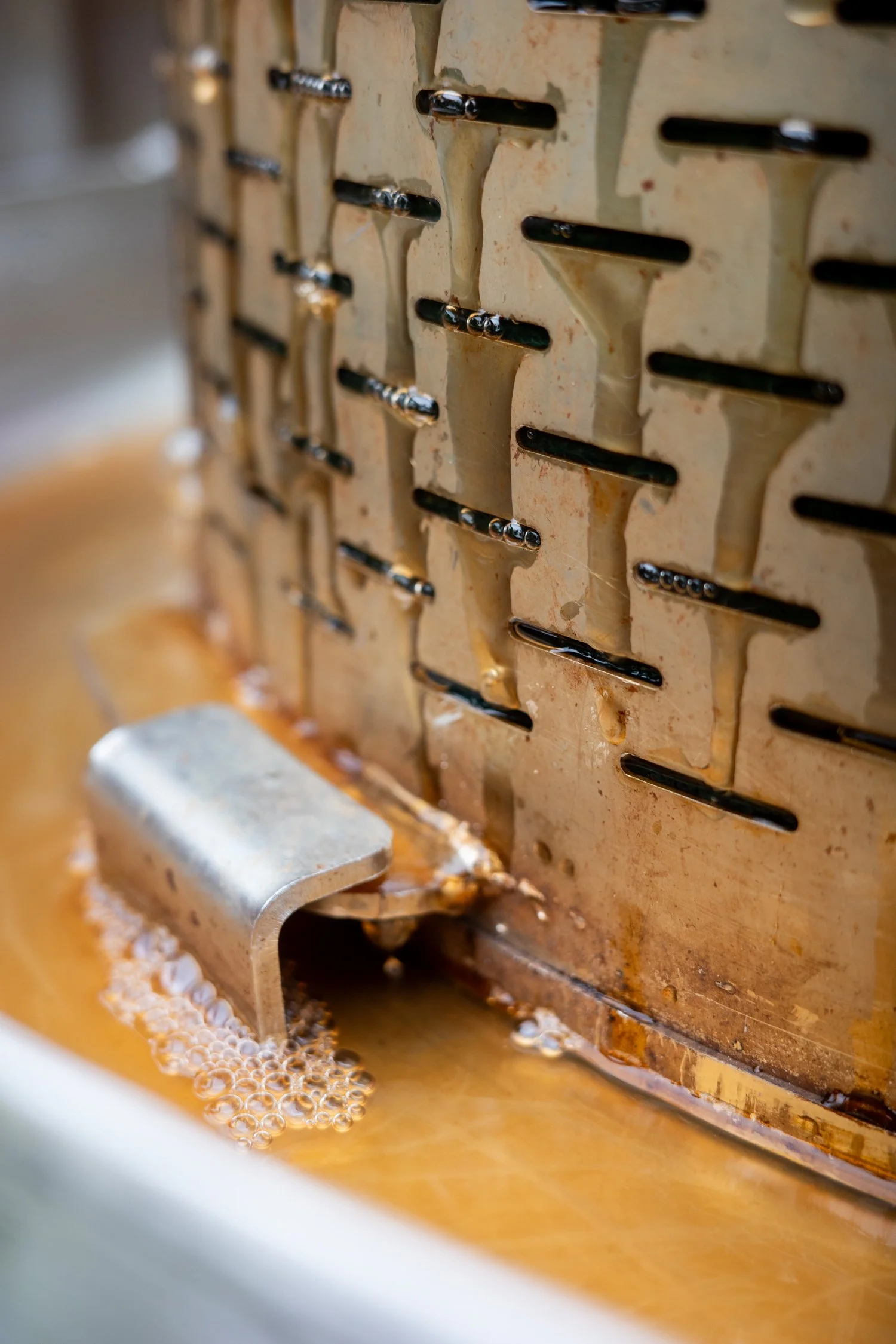
Piquette is the french term for the beverage you make by adding water to grape or apple pomace (the leftover skins, seeds, and stems) after pressing for wine and cider, then fermenting the remaining sugars. It’s lightly sparkled, low alcohol by volume (ABV), and fun, easy drinking. We make piquette because we love a low ABV beverage, and want to be mindful in how we manage the resources we use in the wine and cider making process.
What would you like co-op shoppers to know about Las Mujeres and your cider?
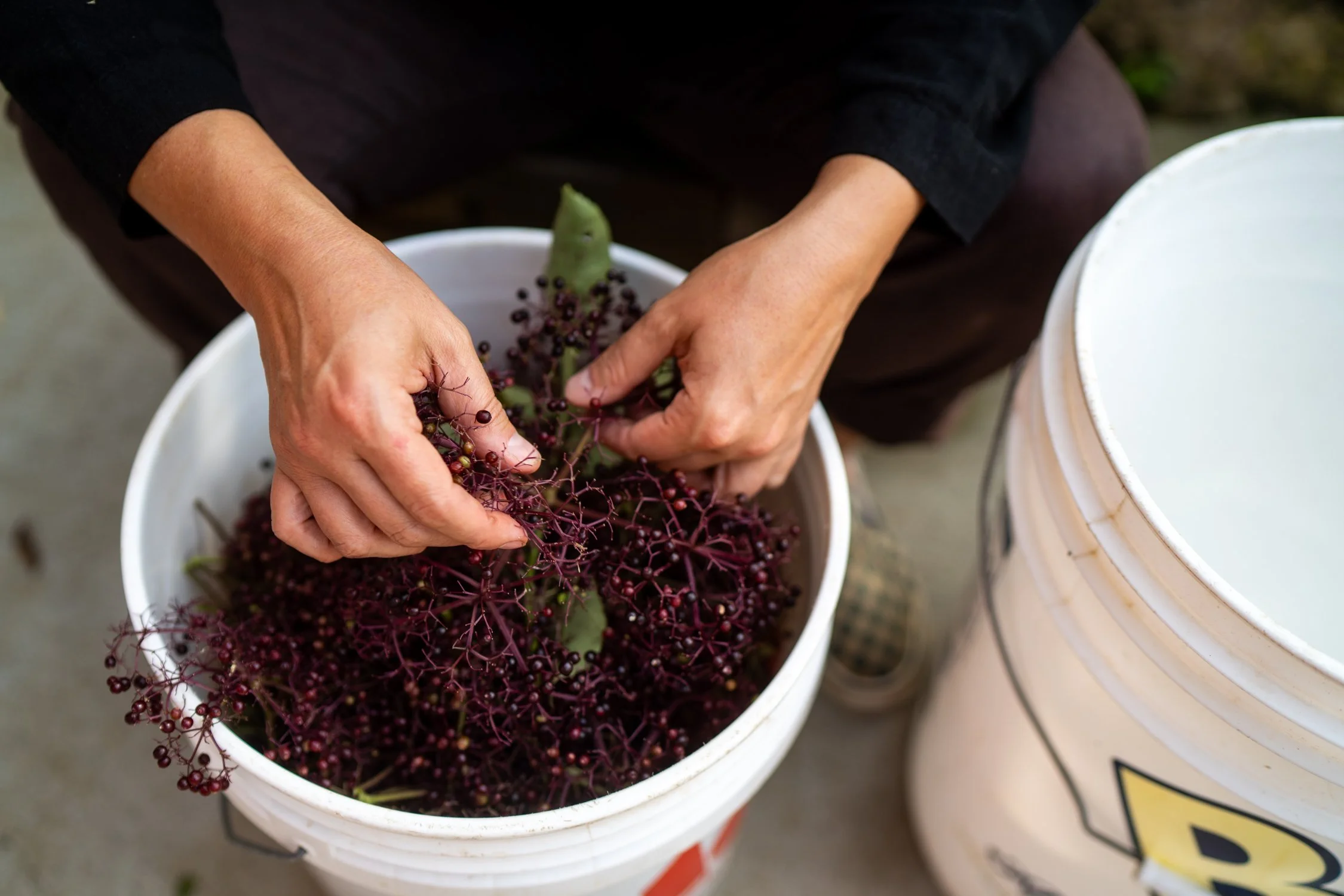
It’s made with organically grown fruit and made without adding anything to it whatsoever. It’s fermented by the wild yeast on the fruit, which there is an abundance of precisely because it’s organically grown. It’s all grown by, and made by, real humans working together right here in the Driftless region, using their hands, and carefully composed by Tony based on the organically grown fruit that’s available on our farm, at our partner farms, and at wild orchards.
What makes your ciders unique?
The fact that our ciders and wines are made with organically grown fruit and made entirely naturally is very unique, especially in Wisconsin. Also unique is the way we macerate. We macerate by layering different kinds of fruits in various ways to develop different kinds of flavors. It’s been something we’ve only heard of some natural winemakers in Europe doing.
Why should co-op shoppers choose Las Mujeres ciders?
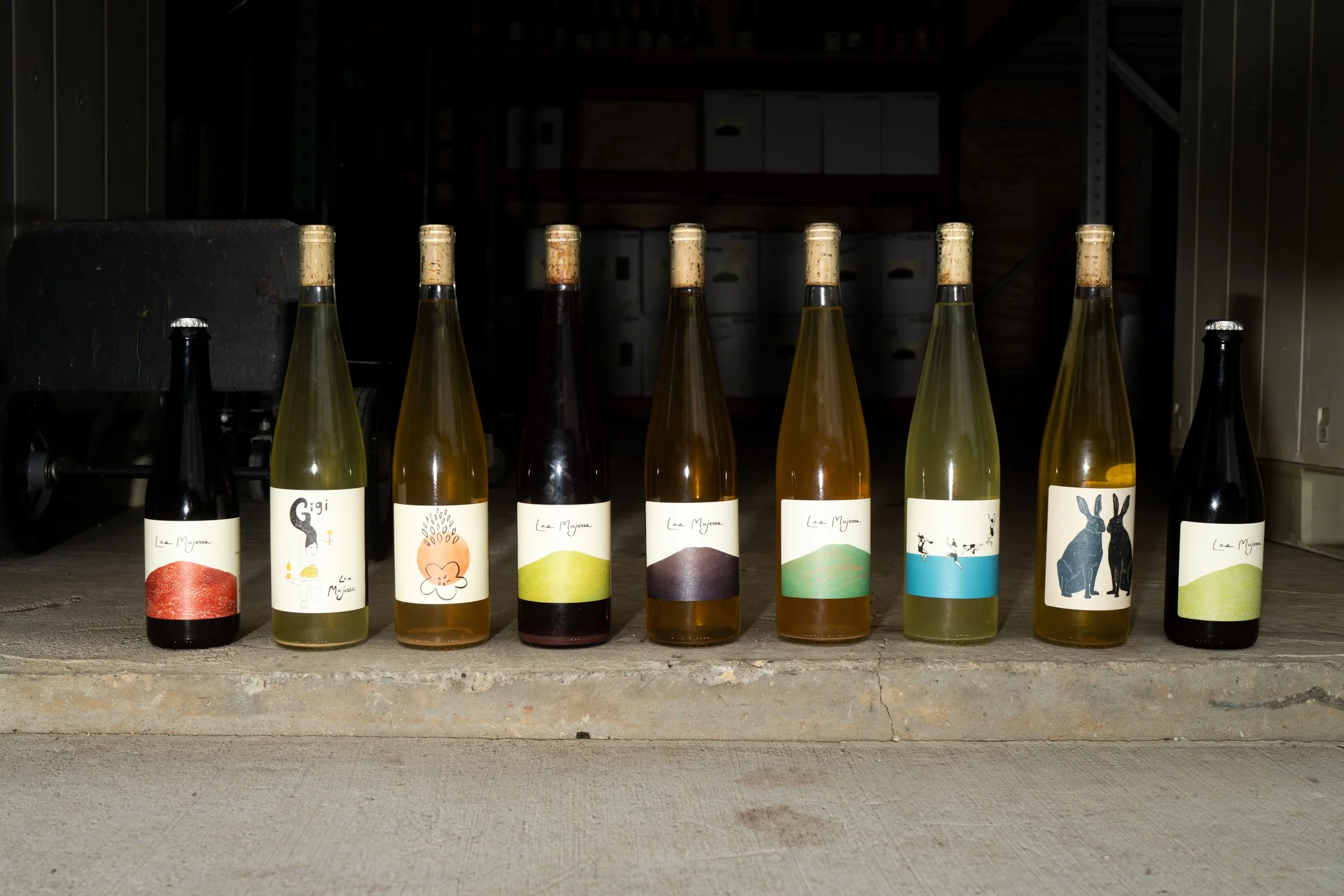
First and foremost because when you drink Las Mujeres ciders and wines you know you are not ingesting any chemicals. You are also supporting sustainable farming practices and a whole regional network of organic growers. And finally, when you buy Las Mujeres ciders and wines you are opening yourself up to an enormously dynamic world of taste and feeling in food and drink, one that connects you to earth, people, and their vast cultures and histories, one that we feel really brings people together.
What are your future goals for your cidery?
We have plans to grow our production, expand our offerings with wine as our vines mature and more sparkling ciders as well. We host tours and tastings by appointment and plan to offer a farmstay next year as well. We want more visitors, more collaborators and more opportunities for building community around agriculture that sustains all life.